


In late 2025, thousands of homes and businesses in Tunbridge Wells were left without safe drinking water after serious problems at the Pembury water treatment works. With taps running dry or supplying water that required boiling before use, residents queued at bottled-water stations while waiting for the network to stabilise. When water services returned, many households took the opportunity to check their plumbing, tanks and appliances for leaks or damp patches that may have gone unnoticed previously. Events like this highlight how important it is to know what to do with water-damaged carpets, furniture and belongings after a leak or flood.
In late 2025, thousands of homes and businesses in Tunbridge Wells were left without safe drinking water after serious problems at the Pembury water treatment works. With taps running dry or only suitable for flushing and washing, residents queued at bottled water stations and many discovered leaks, burst pipes, and water-damaged items once the supply returned and systems re-pressurised. Events like this highlight how important it is to know what to do with water-damaged carpets, furniture and belongings after a leak or flood.
What Happened During the Tunbridge Wells Water Shortage?
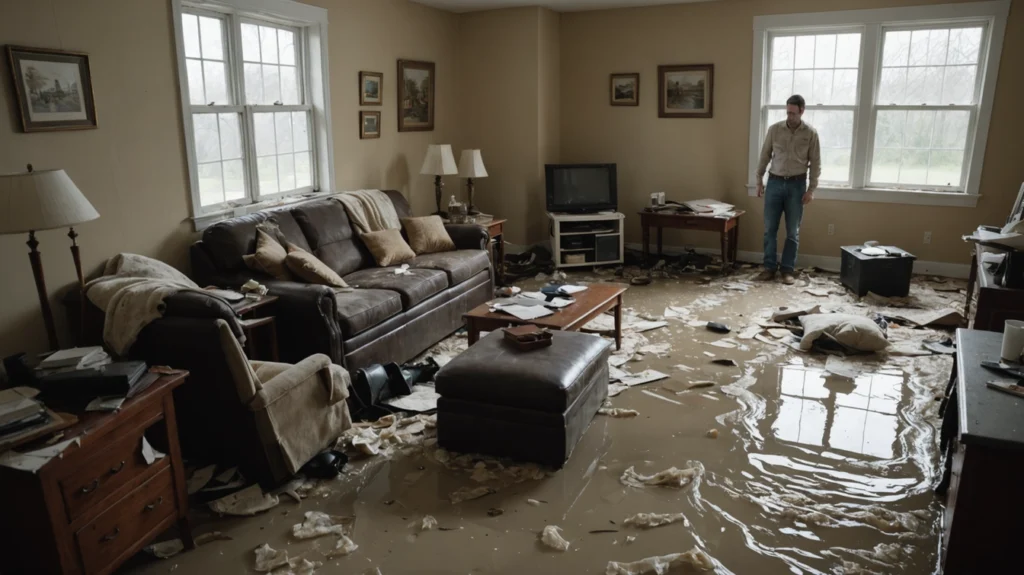
A “boil water” notice and prolonged supply disruption meant properties in parts of Tunbridge Wells, Pembury and surrounding areas had days with low pressure or no water, followed by discoloured water as the network was refilled. For some households this exposed existing plumbing issues; for others, pipe bursts, tank failures or roof leaks led to internal flooding and damp rooms. While the council and South East Water focused on restoring supply and public health advice, many residents were left with sodden flooring, damaged furniture and waste they weren’t sure how to dispose of safely.
Although the main emergency is about water quality and access, dealing with water-damaged items correctly is vital for both health and legal compliance. That is where professional water damage waste removal in Tunbridge Wells becomes essential.
Why Water-Damaged Waste Must Be Dealt With Quickly
Any material that has absorbed water for more than 24–48 hours can start to develop mould, unpleasant odours and structural damage. Common examples include:
- Carpets, underlay and rugs
- Sofas, mattresses and soft furnishings
- Chipboard and MDF furniture, skirting boards and kitchen units
- Cardboard boxes, books and paperwork
- Plasterboard, insulation and ceiling tiles
Leaving these items in place for too long increases the risk of mould spores spreading, which can aggravate asthma and other respiratory conditions. It also makes future repair and redecoration more expensive. Safe, prompt removal of damaged items is a key part of any flood or leak clean-up.
First Steps After a Leak, Flood or Water Contamination
Before organising water damage waste removal, follow these basic safety and documentation steps:
- Make the area safe: switch off electricity in affected rooms if wiring, sockets or appliances have been in contact with water
- Stop the source: shut off water at the stopcock if the leak is internal
- Photograph damage for insurance claims, including close-ups of items and wider room shots
- Move salvageable items to a dry space and separate clearly from anything that must be disposed of
- Ventilate rooms by opening windows and, if safe, using dehumidifiers or fans
What Can Be Salvaged vs What Should Be Removed?
Not everything affected by water has to be thrown away, but some materials rarely recover well. As a rough guide:
- Often salvageable: solid wood furniture (if dried quickly), metal items, hard plastics, some washable textiles
- Usually not salvageable: soaked mattresses, heavily saturated chipboard/MDF, plasterboard that has crumbled or sagged, carpets with underlay that smell musty even after drying
- Special care needed: electrical appliances, electronics, and anything contaminated by dirty water or sewage
If in doubt, speak with your insurer, a flood-restoration specialist or a licensed waste removal company for advice on whether something is safe to keep.
How Water Damage Waste Removal Works in Tunbridge Wells
Professional water damage waste removal in Tunbridge Wells is designed to be fast, safe and compliant. A typical process with a licensed carrier like ARC Waste Removal looks like this:
- Assessment and quote
Provide photos or a description of the affected rooms and items. ARC will estimate volume, access and any specialist handling required, then give a clear, upfront quote. - Collection and loading
The team arrives with a suitable vehicle and all necessary equipment. They remove and load damaged carpets, furniture, underlay, units and bags of waste so you don’t have to do the heavy lifting. - Sorting and recycling
Where possible, materials are separated so recyclable items can be diverted from landfill. Metals, some plastics and uncontaminated wood can often be recycled rather than disposed of as general waste. - Legal disposal
All waste is taken to authorised facilities. You receive a waste transfer note as proof that items have been handled in line with regulations, which can be useful for landlords, letting agents and insurers.
Insurance, Documentation and Your Responsibilities
Many home insurance policies cover at least part of the cost of clearing and disposing of water-damaged items, especially after a burst pipe or roof leak. It is important to:
- Check your policy wording for escape-of-water and flood cover
- Keep receipts and emails for all waste removal services used
- Retain your waste transfer note as evidence of legal disposal
- Inform your insurer before major items are removed if they have requested inspection
Even during a water shortage or wider network issue, households and businesses still have a “duty of care” to ensure that waste is passed only to licensed carriers and not dumped or fly-tipped.
Common Items We Remove After Leaks and Floods
Following leaks, floods or contamination incidents, ARC Waste Removal regularly helps Tunbridge Wells customers with:
- Soaked carpets, underlay and rugs from burst pipes or tank failures
- Water-damaged sofas, armchairs, mattresses and bedroom furniture
- Ruined kitchen units, wardrobes and chipboard furniture
- Flood-damaged white goods such as fridges, freezers and washing machines
- Garden waste and debris washed into sheds, garages and outdoor areas
- Mixed rubbish from emergency clear-outs and temporary accommodation moves
Why Choose a Local Licensed Carrier After the Water Crisis?
The recent water shortage in Tunbridge Wells has shown how quickly normal routines can be disrupted. When you are already dealing with bottled water, disrupted work and family life, the last thing you need is a complicated, time-consuming clearance. Using a local, licensed company like ARC helps you:
- Clear damaged rooms quickly so drying and repair work can start sooner
- Avoid the hassle and delay of arranging skip permits and doing all the loading yourself
- Stay compliant with waste regulations and avoid any risk of illegal dumping
- Support local businesses that understand Tunbridge Wells properties and access challenges
Domestic and Commercial Water Damage Waste Removal
ARC Waste Removal supports both householders and businesses across Tunbridge Wells. Whether you are dealing with a flooded lounge, a damaged rental property or a business premises affected by leaks and outages, ARC can help with:
- One-off domestic clearances after leaks, floods or burst pipes
- Regular commercial waste collections for hospitality, retail and offices
- Large-item removal including sofas, beds, wardrobes, fridges and freezers
- Garden waste and green-waste removals after storms and heavy rain
- End-of-tenancy and block-management clearances where water damage has occurred
Book Water Damage Waste Removal in Tunbridge Wells
If you have been affected by the recent water issues or discovered damage after a leak or flood, ARC Waste Removal can help you clear water-damaged items quickly, safely and legally. For a fast, no-obligation quote for water damage waste removal in Tunbridge Wells, contact ARC Waste Removal today.
Focus Keyword: water damage waste removal Tunbridge Wells