


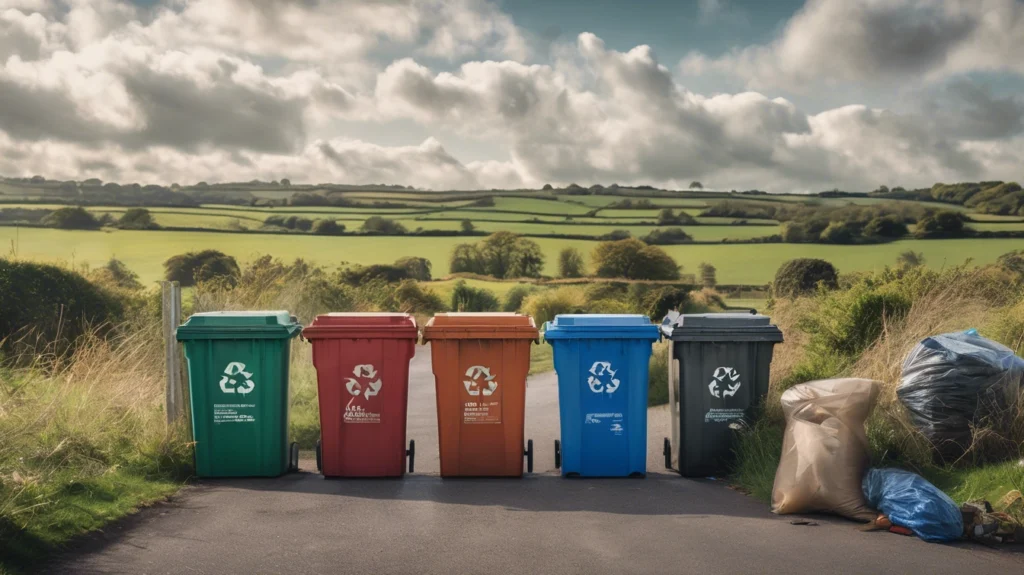
The UK Government’s Resources and Waste Strategy aims to transform waste management by promoting a circular economy. Launched to improve recycling rates, reduce landfill waste, and encourage sustainable practices, this strategy is a crucial step toward a greener future. Businesses and waste management companies must adapt to these regulations to stay compliant and contribute to environmental sustainability.
What is the Resources and Waste Strategy?
The Resources and Waste Strategy outlines a long-term vision for waste reduction and resource efficiency. Key objectives include:
- Eliminating avoidable waste by 2050
- Standardizing recycling practices across the UK
- Implementing the “polluter pays” principle
- Reducing reliance on single-use plastics
- Enhancing waste collection and processing systems
This strategy aligns with global sustainability goals, aiming to protect the environment while boosting economic growth through sustainable industries.
Key Changes Affecting Businesses
- Mandatory Recycling Standards: Businesses will need to comply with uniform recycling rules, ensuring consistent waste separation for easier processing.
- Extended Producer Responsibility (EPR): Companies that produce packaging must cover the full cost of recycling and disposal, encouraging eco-friendly packaging choices.
- Deposit Return Schemes (DRS): Consumers will pay a small deposit on plastic and glass bottles, refundable upon return, incentivizing recycling.
- Food Waste Collection Requirements: Commercial properties will be required to separate food waste for collection and processing via composting or anaerobic digestion.
- Higher Fines for Non-Compliance: Businesses failing to meet waste regulations will face increased penalties, encouraging better waste management practices.
How These Changes Benefit the Environment
- Lower Carbon Footprint: Improved recycling and waste reduction efforts decrease greenhouse gas emissions.
- Reduced Landfill Dependence: Diverting waste from landfills prevents harmful pollution and maximizes resource recovery.
- Increased Resource Efficiency: A circular economy approach ensures materials are reused and repurposed, minimizing waste generation.
How Businesses Can Prepare
- Conduct a Waste Audit: Identify current waste streams and implement strategies for reduction and recycling.
- Train Employees: Educate staff on new waste management procedures to ensure compliance and efficiency.
- Partner with Waste Management Experts: Collaborate with professional waste collection services to streamline compliance and optimize waste disposal.
- Invest in Sustainable Packaging: Businesses can reduce EPR-related costs by switching to recyclable or compostable packaging.
- Utilize Smart Waste Solutions: Technology-driven waste tracking can help businesses monitor and manage waste effectively.
The Role of ARC Commercial Waste Services
ARC Commercial Waste Services provides tailored solutions to help businesses comply with the UK’s Resources and Waste Strategy. Our services include expert waste audits, compliant recycling solutions, and food waste collection programs. By working with us, businesses can stay ahead of regulatory changes and contribute to a cleaner, more sustainable future.
Conclusion
The UK Government’s Resources and Waste Strategy presents an opportunity for businesses to improve sustainability while staying legally compliant. By adopting responsible waste management practices and partnering with experienced waste service providers like ARC Commercial Waste Services, businesses can make a meaningful impact on the environment and future-proof their operations. Contact us today to learn more about how we can help you navigate these changes effectively.