


Tunbridge Wells Commons litter is in the spotlight as local green spaces face sale and heavy use. Here’s how to enjoy them without leaving a trace.
The Tunbridge Wells and Rusthall Commons are at the centre of local and national attention. Residents are racing to secure community ownership after the privately owned commons were put up for sale, with campaigners stressing how vital these 250-plus acres of green space are for everyday life, wildlife and future generations.
While the debate focuses on who will own the land, what happens on the ground each day matters just as much. Dog walks, jogs, picnics and informal meet-ups all create wear and tear. When litter and “just a few bags” are left behind, volunteers, conservators and the council are left to pick up the pieces. This guide looks at how to cut Tunbridge Wells Commons litter, protect nature and avoid drifting into illegal dumping.
Why the Commons Matter So Much to Tunbridge Wells
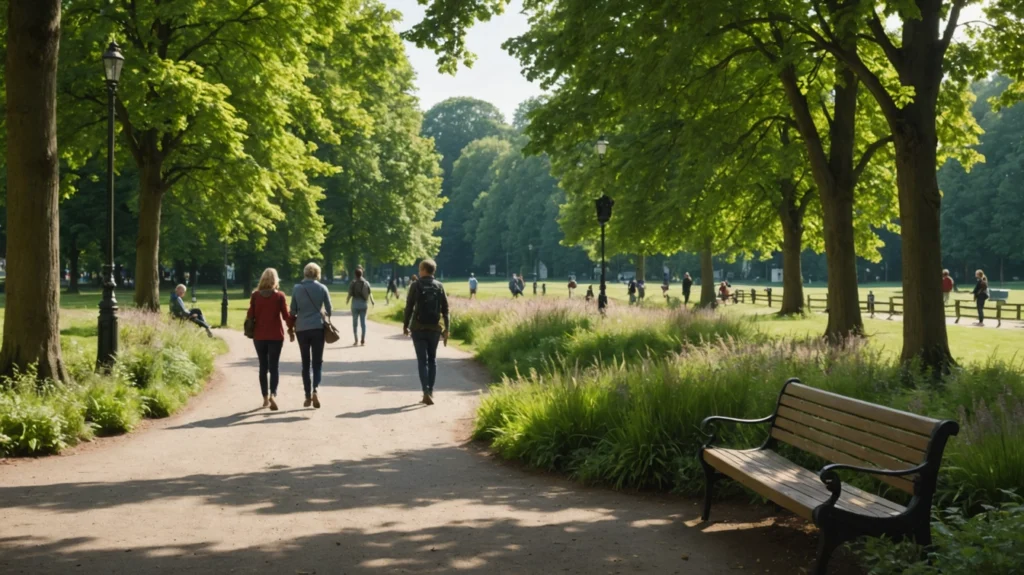
The Tunbridge Wells and Rusthall Commons stretch over wooded slopes, heathland and rocky outcrops, right on the doorstep of the town centre. They are managed by the Commons Conservators and supported by the Friends of Tunbridge Wells and Rusthall Commons, who help with conservation, access and education.
For most residents, the Commons feel like shared space: somewhere to walk the dog, clear your head, take children exploring or meet friends outdoors. That constant use is part of their value—but it also means everyday behaviour around rubbish has a big impact. A few bottles or takeaway boxes left beside a bench soon turn into an overflowing pile.
Tunbridge Wells Commons Litter vs Fly-Tipping: Where’s the Line?
It helps to understand the difference between ordinary litter and fly-tipping, because both turn up around the Commons.
Everyday litter is the low-level but persistent stuff:
- Drinks cans, coffee cups and food packaging left on benches or grass
- Dog-waste bags left on paths, hung on branches or abandoned by bins
- Picnic rubbish left after a meetup or small celebration
Fly-tipping is more serious and usually deliberate:
- Bin bags of household rubbish dropped in car parks or by entrances
- Old furniture, mattresses or white goods left in lay-bys or on verges
- DIY waste such as rubble, plasterboard or bathroom fittings dumped in wooded areas
Both harm wildlife and spoil the landscape, but fly-tipping carries higher penalties and is often linked to unlicensed waste carriers. If you are paying someone to take rubbish away and it later appears on or near the Commons, you could be held responsible. For a full guide to staying on the right side of the law, see Avoid Fly Tipping Tunbridge Wells: Legal, Safe and Smart Alternatives.
Common Litter Hotspots on the Commons
According to local groups and conservators, the same kinds of spots tend to attract Tunbridge Wells Commons litter again and again:
- Car parks and lay-bys on the edges of the Commons, where people eat in cars or offload rubbish
- Paths near pubs, venues and busy roads, especially after evenings out or events
- Scenic viewpoints, rocks and picnic areas, where visitors linger but bins may be limited
- Wooded cut-throughs and quieter corners, sometimes targeted for small-scale fly-tipping
The Friends of the Commons and other volunteers run regular litter picks to tackle these areas, but they cannot keep up if waste keeps arriving faster than it is removed. Reducing what gets dropped in the first place is far more effective than repeated clean-ups.
Simple Ways to Cut Tunbridge Wells Commons Litter
Most commons users want to do the right thing. The problem usually comes down to convenience and habit. A few small changes make a big difference:
- Always bring a rubbish bag. If you are planning a walk, picnic or meetup, tuck a carrier bag into your pocket so you can take everything home.
- Take litter home when bins are full. Overflowing bins quickly become wildlife hazards. If a bin is already full, do not balance more waste on top—bag it and take it away.
- Use proper dog-waste bins or your home bin. Leaving tied bags on paths or fences is still littering. Treat dog waste as you would in town streets.
- Avoid glass where possible. Broken bottles are dangerous for dogs, children and wildlife. If something does break, carefully collect the pieces.
- Think “leave no trace”. When you leave, aim to make your patch of the Commons look as if you were never there.
If you are trying to cut waste at home as well as outside, our guide Eco-Friendly Waste Disposal Tunbridge Wells: Simple Swaps That Make a Big Difference covers practical ways to reduce rubbish in the first place.
Events and Gatherings on the Commons: Plan for Waste
The Commons are often used for small community gatherings, informal meet-ups and, occasionally, larger events. When more people are involved, litter risks rise quickly.
If you are organising a gathering, even a modest one, it helps to:
- Agree who is responsible for waste before the day
- Bring enough bags for recycling and general rubbish
- Plan how you will take waste away afterwards, not just where it will sit during the event
- Check any permissions or rules about organised events on the Commons
Once the amount of rubbish is more than a few bags, it can become impractical to handle in household bins. For larger clear-ups after community events, it is often easier and safer to book a licensed collection. Our article Event Waste Removal Tunbridge Wells: Keeping Parties, Fêtes and Community Events Litter-Free explains how ARC supports organisers so nothing is left behind.
Garden and DIY Jobs Near the Commons: Avoid “Over the Fence” Disposal
Some properties back directly onto commons or other green spaces. When sheds are demolished, fences replaced or gardens cleared, there can be a temptation to push trimmings and rubble “out of the way” into nearby scrubland. Over time that turns into a chain of dumped timber, plastic, wire and soil heaps, all of which damage habitats and can be classed as fly-tipping.
Instead, consider:
- Using your brown bin for genuine green waste, following council rules
- Booking a slot at North Farm Household Waste Recycling Centre for DIY waste
- Separating green waste from timber, metal and rubble so as much as possible can be recycled
- Booking a professional collection when the volume is too much for your car or bins
For larger landscaping projects, our guide Garden Waste Removal Tunbridge Wells: Smart Prep for Landscaping & Clearances explains how to plan clearances so everything is handled legally and efficiently.
When Does Commons Litter Become a Job for ARC?
Everyday Tunbridge Wells Commons litter—individual cans, wrappers or dog-waste bags—is usually best tackled by individuals taking responsibility for their own waste, backed up by volunteer litter picks. However, there are clear situations where a licensed rubbish removal service is the sensible option:
- You are clearing a house, garage or garden that backs onto the Commons and have a mixed load of bulky waste
- You manage a property near the Commons and previous occupiers have left rubbish in car parks, driveways or boundaries
- You are helping with a community event or project near the Commons and expect several van-loads of waste afterwards
- You have inherited or purchased a property where informal dumping has already taken place and need a one-off clean-up
In these cases, ARC Waste Removal can collect waste from the property, separate recyclables and transport everything to authorised facilities—without anything ending up in woodland edges or lay-bys.
How ARC Helps Protect Local Green Spaces
ARC is a licensed waste carrier, which means we are legally required to handle rubbish responsibly and use approved transfer stations and recycling facilities. That benefits the Commons and other local green spaces in several ways:
- Mixed loads from house and garden clearances are sorted so recyclable materials are diverted from landfill
- Bulky items such as sofas, mattresses and white goods are processed safely instead of being dumped at the edge of car parks
- DIY waste is handled in line with regulations, reducing the risk of rubble or timber ending up in scrubland
- Customers receive documentation where appropriate, showing that their waste was passed to a licensed carrier
By choosing licensed services instead of unverified “cheap” collections, residents help cut both fly-tipping and accumulation of waste around the Commons.
Support Local Groups Working to Reduce Commons Litter
The Commons are looked after by a network of organisations and volunteers. If you are keen to do more than manage your own waste, you can:
- Find out more about the land, its history and management on the Tunbridge Wells & Rusthall Commons Conservators website
- Join or donate to the Friends of Tunbridge Wells and Rusthall Commons, who organise conservation work and litter picks
- Keep up to date with the current community ownership campaign through local media and community sites
These groups work hard to keep paths clear, habitats healthy and facilities usable. Reducing Tunbridge Wells Commons litter is one of the simplest ways to support them.
Need Help With Rubbish So It Never Reaches the Commons?
Tunbridge Wells Commons litter is everyone’s problem, but with a few small changes it is also something everyone can help solve. If you are planning a clear-out, project or event and want to be sure nothing ends up dumped in local beauty spots, ARC Waste Removal can help.
We provide licensed domestic and commercial rubbish removal across Tunbridge Wells, including bulky-item disposal, house and garden clearances, event waste removal and regular collections for local businesses. To get a free, no-obligation quote, simply contact ARC Waste Removal with brief details or photos of what you need cleared.