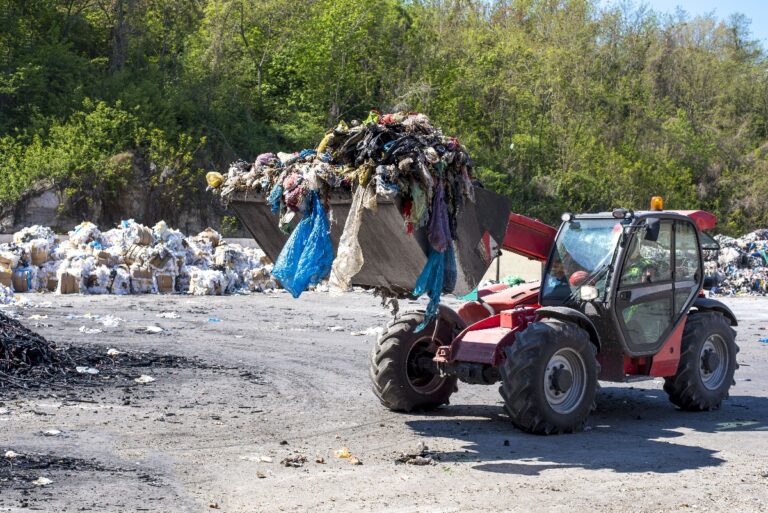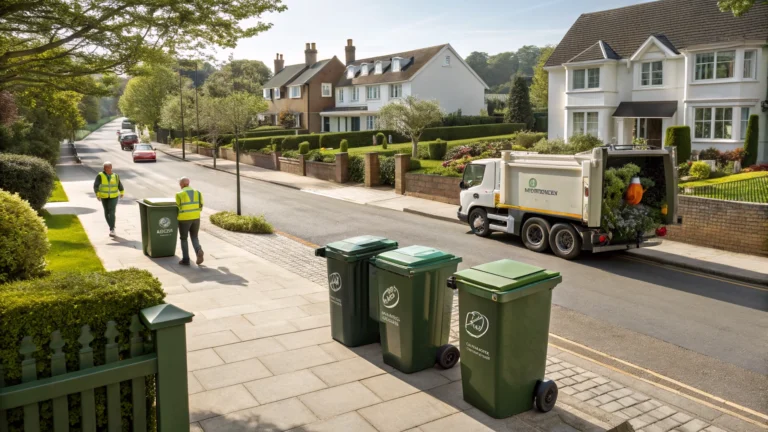
New waste contract Tunbridge Wells services will begin in 2027 after FCC Environment was awarded a 12-year recycling and street cleansing deal.
Tunbridge Wells Borough Council and Tonbridge and Malling Borough Council have jointly awarded a new household recycling, waste collection and street cleansing contract to FCC Environment. The contract is due to begin on 1 April 2027 and run for an initial 12-year term. For residents, the main question is simple: what could this mean for bin collections, recycling, food waste and the extra rubbish that still cannot go in normal bins?
What Has Been Announced About the New Waste Contract Tunbridge Wells?
The new contract covers household recycling, waste collection and street cleansing across Tunbridge Wells and Tonbridge and Malling. FCC Environment is already the current service provider, so the award should support continuity while allowing the councils to plan for future changes in recycling law, food waste collections and service performance.
The official council announcement confirms that the new contract will start from 1 April 2027 and continue for an initial 12 years. You can read the council update here: New 12-year recycling and waste contract awarded.
Why the Contract Matters for Local Bin Collections
A waste contract is not just an administrative detail. It affects the vehicles, crews, collection routes, customer service standards and street cleansing arrangements that residents rely on every week. A strong contract should help maintain reliable collections while adapting to national recycling reforms.
For most households, day-to-day collections may feel familiar at first. However, as the new waste contract Tunbridge Wells moves towards 2027, residents should watch for updates about routes, collection times, food waste arrangements, bin guidance and any changes to how missed collections are reported.
How the New Contract Links to Simpler Recycling
The new waste contract Tunbridge Wells will operate alongside the government’s Simpler Recycling reforms. These reforms require councils in England to collect consistent core materials from households, including food waste and common dry recyclables such as paper, card, plastic, metal and glass.
For Tunbridge Wells residents, this means continued focus on separating waste properly, using food waste caddies and keeping recyclable materials clean and dry. The new contract will need to support these requirements over its long term, particularly as more properties, including flats and communal buildings, are brought into food waste collection systems.
For official national background, see the GOV.UK page on Simpler Recycling guidance for households in England.
What Residents Should Watch For Before April 2027
Between now and the start of the new contract, residents should keep an eye on council updates covering:
- Any changes to collection routes or collection times
- Updates to food waste collections and caddy use
- New or updated bin stickers, calendars or service leaflets
- Changes to missed-bin reporting processes
- Street cleansing and litter-bin service updates
- Recycling contamination campaigns and guidance
Most changes, if they happen, should be communicated by the council before they affect collection days. Residents should continue using existing bins correctly unless told otherwise.
What Will Not Be Solved by the New Waste Contract Tunbridge Wells?
Even a well-run council waste contract cannot cover every kind of rubbish. Standard household collections still do not normally deal with large, heavy or specialist items. Residents and businesses will still need separate arrangements for:
- Sofas, mattresses, wardrobes and large furniture
- Fridges, freezers and large electrical appliances
- House, loft, garage and garden clearances
- End-of-tenancy and HMO rubbish
- DIY waste, renovation waste, carpets and bulky mixed loads
- Commercial waste from shops, offices, hospitality and landlords
These are the gaps where a licensed rubbish removal company such as ARC remains useful, even when council collections are working well.
How This Connects to What Happens After Collection
The new waste contract Tunbridge Wells will focus on the front end of the system: collecting household waste, recycling, food waste and street-cleansing material. After collection, waste still has to be transported, sorted, recycled, treated or disposed of through authorised facilities.
If you want a plain-English explanation of that process, read ARC’s related guide: What Happens to Your Rubbish Tunbridge Wells: From Collection to Recycling. It explains how rubbish moves from your property to transfer stations, recycling routes and residual disposal.
What Businesses and Landlords Should Consider
Businesses, landlords and managing agents should not assume the new waste contract Tunbridge Wells covers commercial or property-management waste. Domestic council services are designed for ordinary household waste, not trade waste or large-scale clearances.
Landlords, HMO managers and business owners should review:
- Whether current bin capacity is enough for the property
- How bulky items are removed between tenancies
- Whether commercial waste collections are needed
- How waste transfer notes and duty-of-care records are kept
- Whether food waste and recycling are being separated properly
ARC supports these situations through commercial rubbish removal, one-off clearances and regular collection arrangements.
Where ARC Fits Alongside the Council Contract
The new waste contract Tunbridge Wells should help keep routine household collections consistent, but ARC fills the gap when residents or businesses need more flexible support. ARC can help with:
- One-off domestic clearances
- Regular commercial rubbish collections
- Bulky item removal for sofas, mattresses, fridges and furniture
- Garden waste and shed clearances
- House, loft, garage, office and end-of-tenancy clearances
- Mixed loads that would take several trips to the recycling centre
ARC is a licensed waste carrier and uses authorised disposal routes, helping customers stay compliant while avoiding the risk of fly-tipping or unlicensed waste removal.
How to Prepare for the 2027 Waste Contract Change
Residents do not need to do anything dramatic yet, but a few habits will help you stay ahead of future changes:
- Follow council guidance on what goes in each bin
- Use your food waste caddy every week
- Keep recycling clean, dry and loose where required
- Book bulky waste collections or licensed private removal instead of leaving items beside bins
- Check council updates before assuming your collection time or arrangements have changed
Good sorting at home makes any collection contract work better. It also reduces contamination, supports recycling targets and helps keep local streets cleaner.
Need Help With Waste Your Bins Cannot Take?
The new waste contract Tunbridge Wells is important for everyday collections, but it will not remove the need for licensed bulky waste and clearance services. If you are planning a house clearance, business clear-out, garden project or end-of-tenancy job, ARC Waste Removal can help.
To request a free quote, contact ARC Waste Removal with brief details or photos of the waste you need removed. The team will recommend a practical, compliant option for your home, rental property or business.